Case study / 01
LUPE
Kick-and-push electric skateboard with a Halbach-array regenerative generator.
Closed chapter
This is a paused R&D project documented as a case-study archive — not a currently shipping product.
What follows is the concept, the engineering effort, the prototype arc, and the lessons. Discontinued · IP retained · Halbach hub geometry, regen firmware, and mechanical envelope all referenceable for related engagements.
- The concept
- The engineering effort
- The prototype arc
- What it taught us
What we built
Twelve magnets. One asymmetric field. A regen pickup inside a skateboard wheel.
Prototype 3.0 in motion. The outer ring is the urethane wheel. Inside it: a twelve-magnet rotor with magnetization vectors that rotate by 30° between adjacent magnets — the Halbach pattern that concentrates flux on one face. The nine cyan torus pickups are the regen stator coils. They light up as each high-flux pole passes overhead.
01 · Halbach rotor
Twelve neodymium magnets in a ring, each rotated 60° relative to its neighbor. The visible arrows are magnetization vectors — read the rotation around the ring and you've read the array.
02 · Stator pickup coils
Nine air-core toroids on a fixed inner hub. Emissive intensity is proportional to instantaneous flux linkage — that's the EMF the regen circuit harvests.
03 · Inward-focused field
The amber streamers only emerge on the strong face of the array. That's the geometric signature of a Halbach: most of the field on one side, almost none on the other.
The problem
Electric skateboards replaced the rider's motion instead of augmenting it.
I started this in 2016, my senior year at UMD — the same semester I was finalizing a piezo-electric pacemaker for my senior project in renewable energy. There were skateboarders everywhere on campus. None of them had made the move to electric, so I ran a 100-person survey to find out why. The answers pointed to the same thing: nobody wanted a board that replaced their ride. They wanted a boost. The idea was a kit — something you’d mount on your existing board that harvested energy from each kick cycle and fed it back into propulsion, the way regenerative braking works in an EV. No throttle. No wheel-locking handbrake. Just a deck, a push, and a quiet boost you earned. I named it Project Lupe after the Lupe Fiasco song “Kick, Push” — the name fit the physics and the feeling.
The approach
Three prototypes, three generators, one principle.
I built three generations of the energy-harvest system, each one a different bet on what would fit inside a skateboard wheelbase.
- Prototype 1.0 (2015) — wind-fan generator mounted on the deck. Simple to build, easy to measure. Result: at the average rolling speed of a 175 lb rider, wind energy never produced enough current to budge the motor. Lesson: power, not voltage.
- Prototype 2.0 (2016) — one-motor / one-generator pair with a supercapacitor buffer. Treadmill-tested at 10 mph. Power output still short of the torque the motor needed to launch the rider from a stop. Lesson: stronger magnetic field.
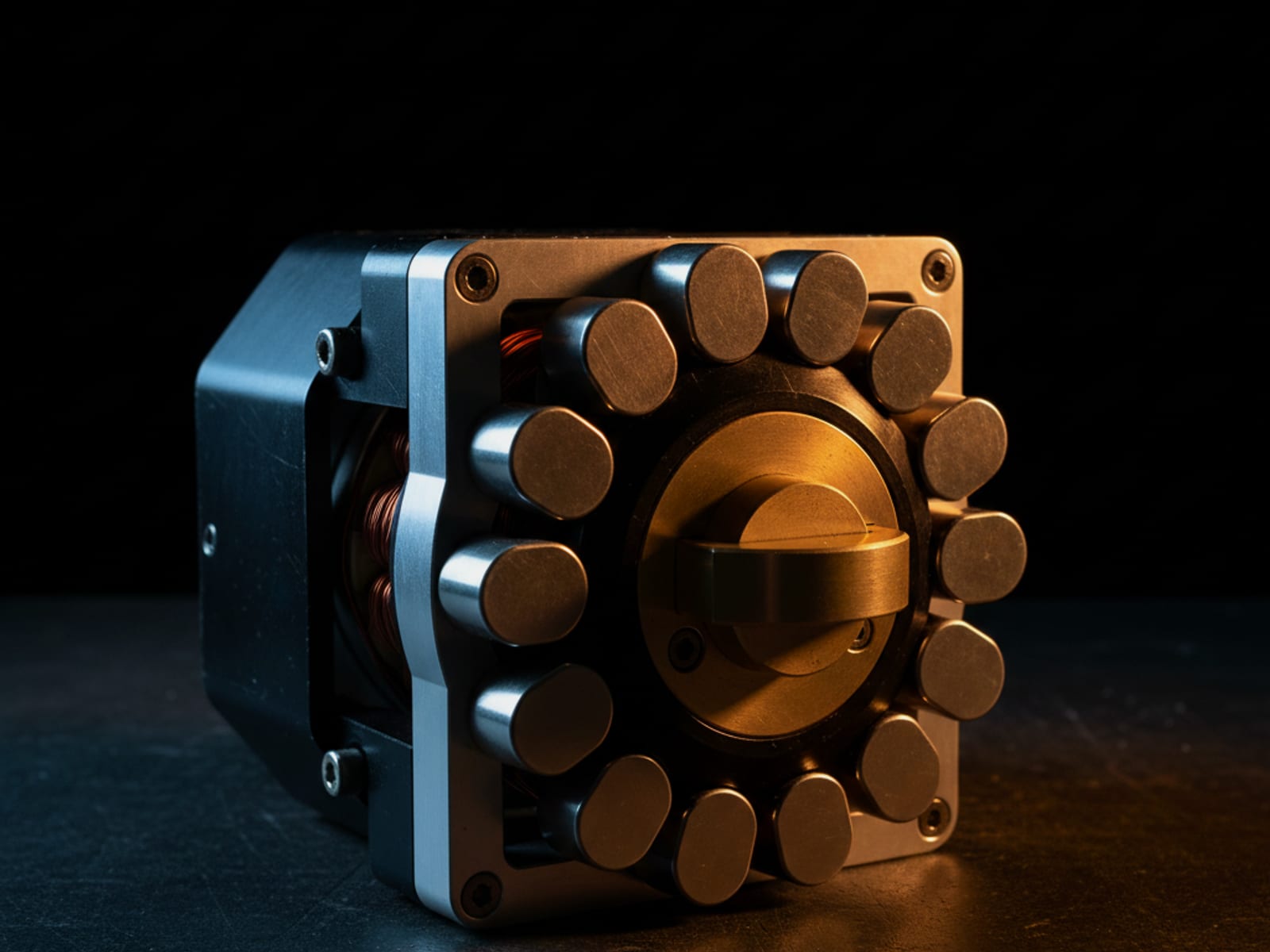
- Prototype 3.0 (2017–2018) — custom rotary generator built around a Halbach array of twelve neodymium magnets. The Halbach geometry concentrates flux on one face of the array, intensifying the magnetic field that drives induced current. Designed, parts ordered, partial build complete when the project paused.
The proof
Built. Measured. Documented.
Treadmill rigs, oscilloscope traces, hand-drawn windings, BLDC cross-sections. The gallery below is the working archive — sketches, schematics, and shop photos that span the three prototype years.
Specific numbers — peak regen efficiency, ride distance per kick, battery cycle data — are redacted from the public page until the patent posture is reconfirmed. Available under NDA on request.
R&D archive
Ten frames, sorted by what they are.
Concept sketches, technical research, and build artifacts — each labeled with what it’s showing and which prototype generation it came from. Originals preserved; nothing here is a recreation.
Concept Sketches
3 items
The first ideas, in their original form. Hand-drawn or sketched fast — preserved as archive material rather than presented as polished marketing visuals.
 Original/ 07
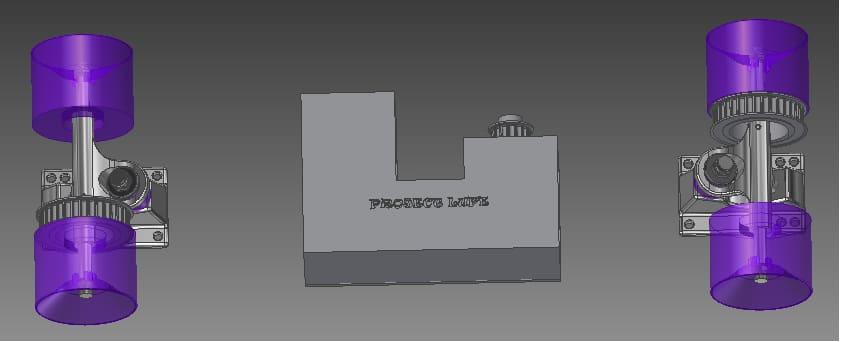
Prototype 2 deck render
Original concept sketch — preserved as archive material; the polished card and hero visuals are AI-recreated from Prototype 3 hardware.
 Original/ 08
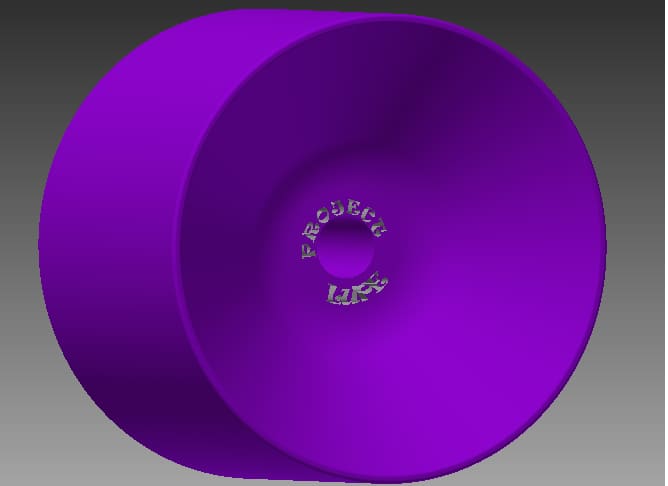
Wheel + hub assembly screenshot
Original ideation work for the Halbach hub envelope.
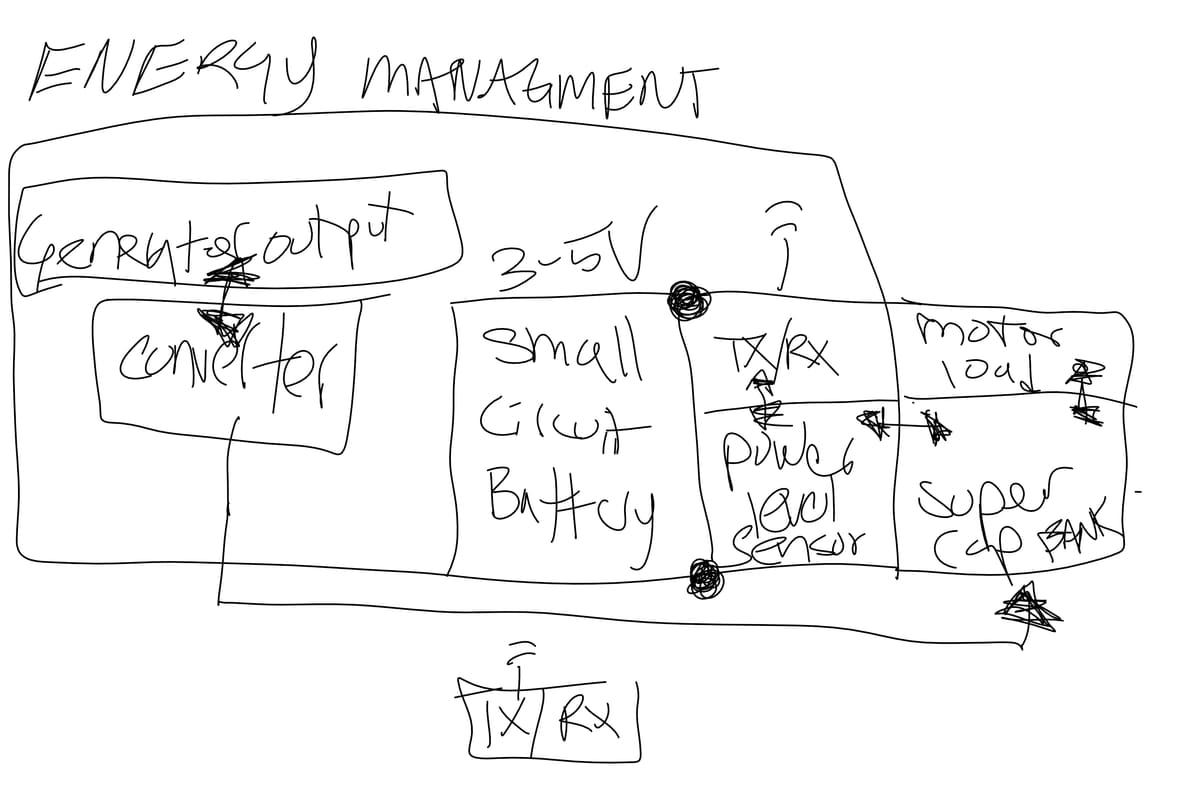 Original/ 10
Power management sketch — Prototype 3
Hand-drawn — load path from regen to supercap to motor driver.
Technical Research
4 items
Schematics, control-flow diagrams, and the working notes that turned the concept into something buildable.
 Original/ 04
First control software pass — March 2015
Early state-machine pseudocode on graph paper before it was firmware.
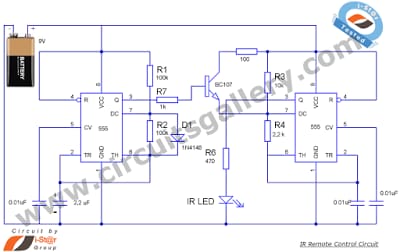 Original/ 05
Prototype 2 — IR remote control circuit
Schematic for the 2016 motor-as-generator pair with supercap buffer.
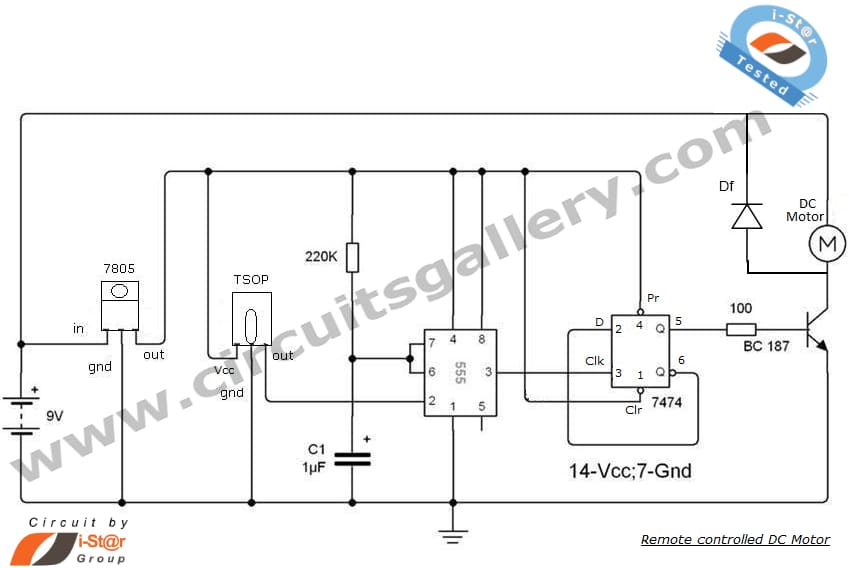 Original/ 06
Remote-controlled DC motor schematic
Power topology on the way to the Halbach generator.
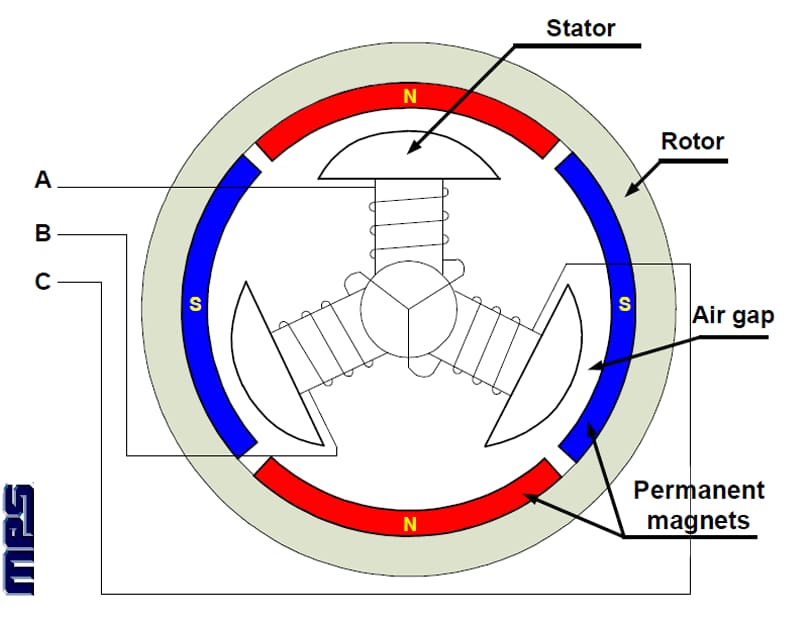 Original/ 09
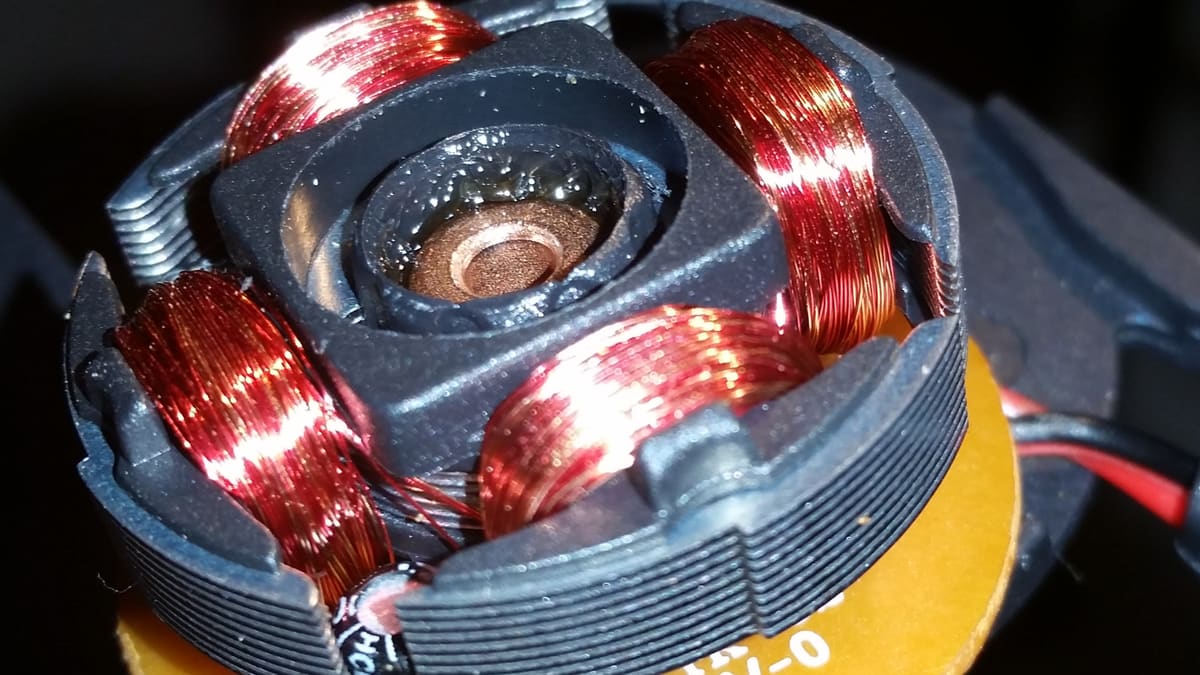
Prototype 3 — 3-phase BLDC motor cross-section
Twelve-magnet rotor + stator coil layout that became the working architecture.
Build Artifacts
3 items
Photos from the bench, the shop, the test rig, and the running system. The R&D actually happened.
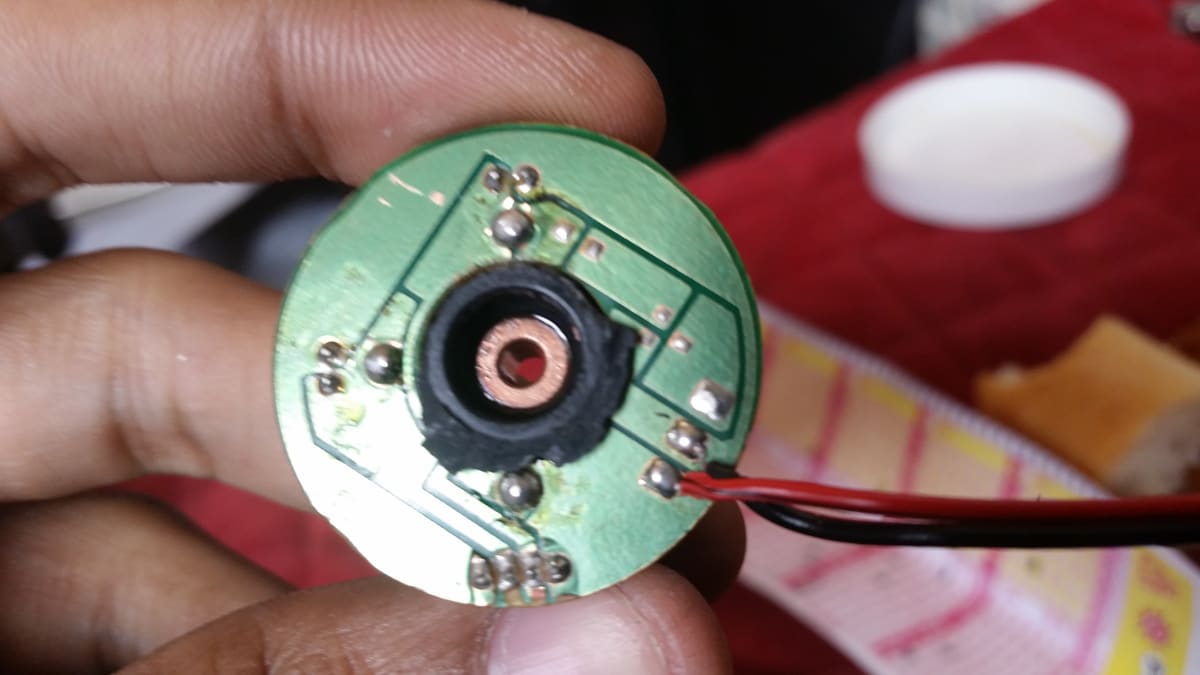 Original/ 01
Prototype 1 — bench rig, 2015
Wind-fan generator on the deck. The simplest mechanical bet — and the one that taught the project that voltage isn't power.
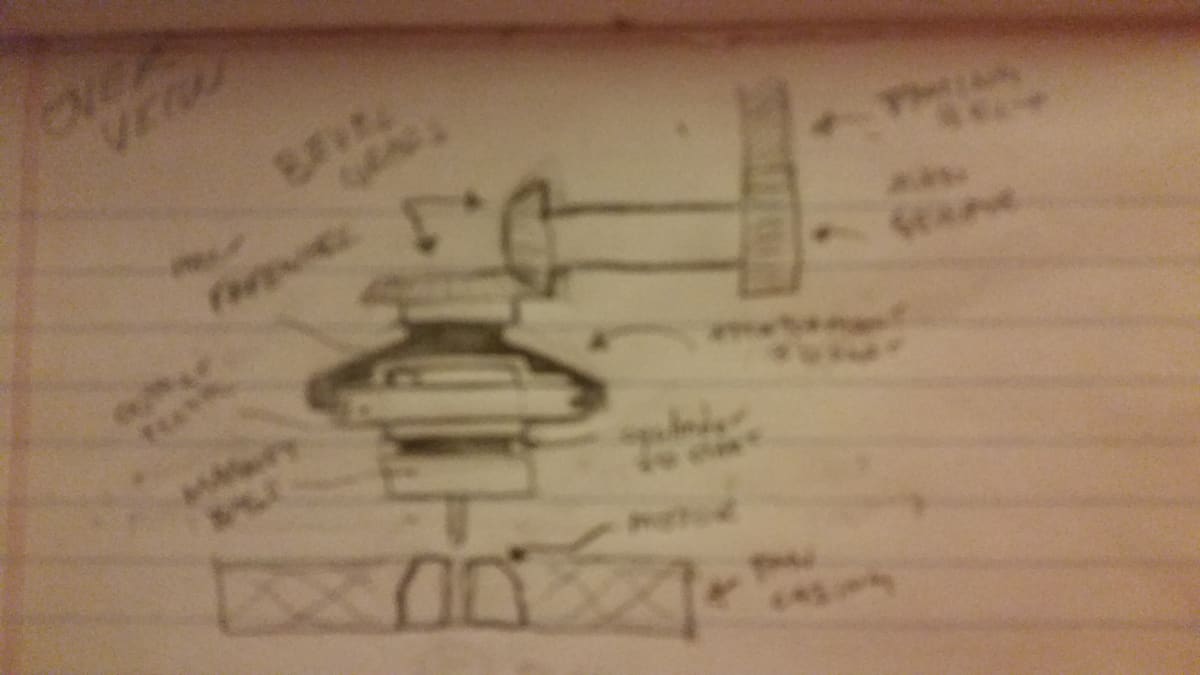 Original/ 02
Hand-fabricated chassis, 2015
Aluminum stock, hand drilling, no laser cutter. Early R&D shop work.
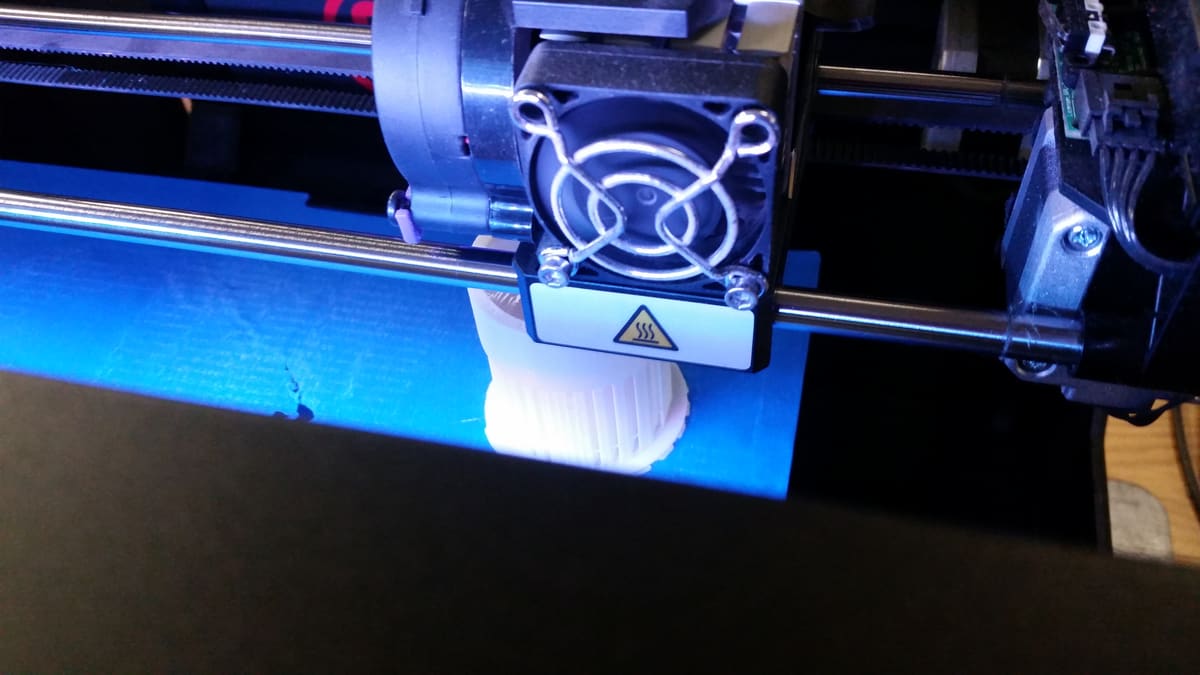 Original/ 03
Initial deck integration
First time the energy-harvest hardware met the actual board the rider stands on.
Outcome
Paused, not abandoned.
I paused LUPE at the end of Prototype 3.0 to focus on consulting engagements. The Halbach hub geometry, regen-control firmware, and mechanical envelope are my IP — retained and referenceable for related engagements: energy harvesting, custom motors, embedded control loops, lightweight mobility hardware.