Case study / 03
Project Aurora
Automated, sealed grow tent — closed-loop environmental control.
Closed chapter
This is a paused R&D project documented as a case-study archive — not a currently shipping product.
What follows is the concept, the engineering effort, the prototype arc, and the lessons. Discontinued · IP retained · Sensor stack, control firmware, and mechanical envelope translate to fermentation, hydroponics, lab-scale chambers.
- The concept
- The engineering effort
- The prototype arc
- What it taught us
What we built
A sealed grow environment with closed-loop control of light, humidity, CO₂, temperature, and irrigation.
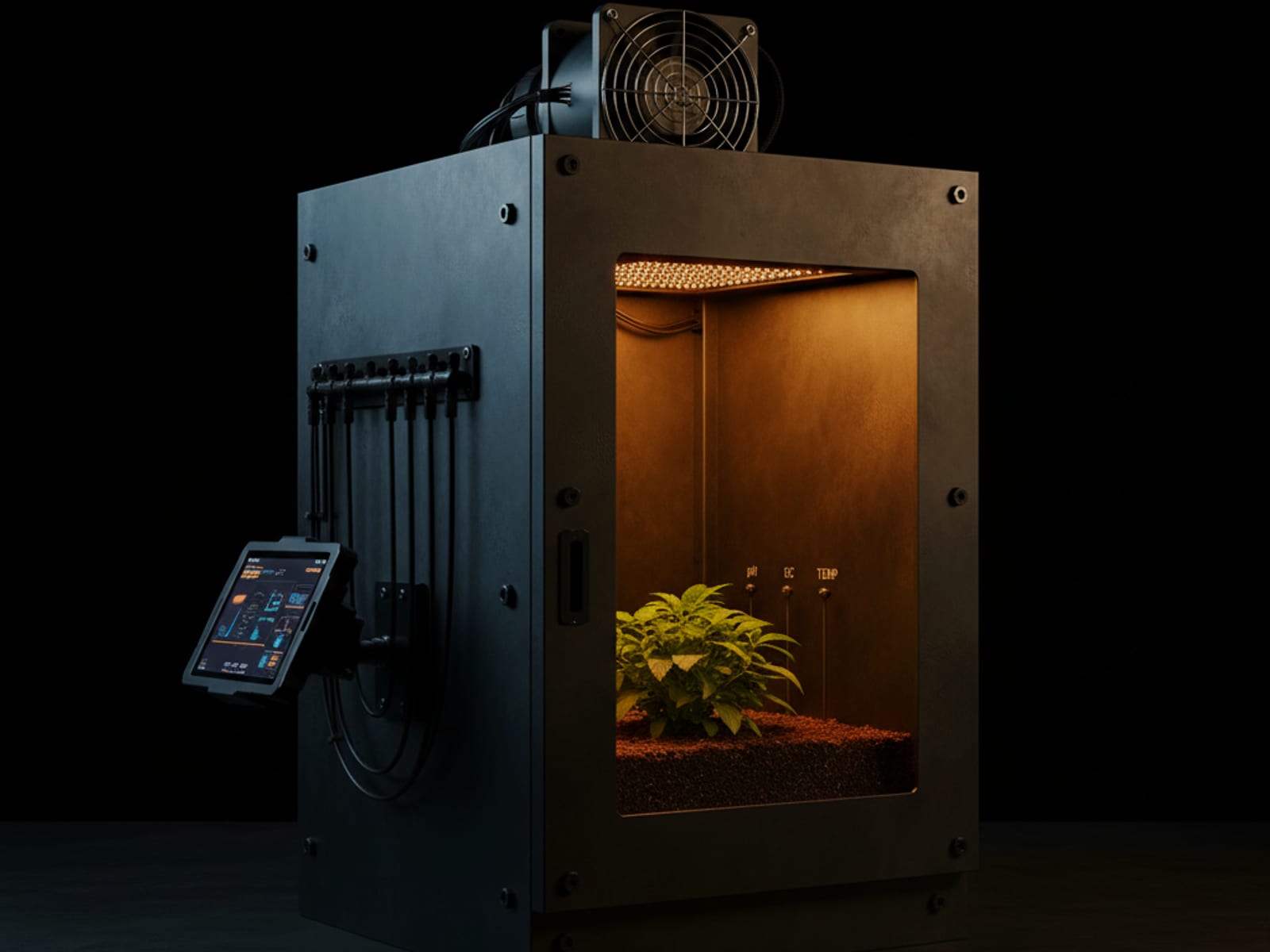
The front face is cut away so the inside reads. From the ceiling: a full-spectrum LED panel that breathes with the dawn-to-dusk cycle and a ducted exhaust fan handling air exchange. From the right wall: an irrigation manifold that drips on a schedule. Standing in the soil: three colored sensor probes — pH, EC, and temperature — each pulsing as it logs. The plant in the middle sways with the imagined airflow. Three growing seasons of this loop ran on the real system.
01 · Full-spectrum grow panel
Magenta-blue LED canopy on a software-driven photoperiod. Rises at dawn, holds at peak, fades at dusk — same logic that ran the firmware.
02 · Inline exhaust + irrigation
A ducted fan handles humidity and CO₂ exchange. The cyan tubing is the irrigation manifold — drip emitters fire on a controller-set cadence.
03 · Sensor mesh in the soil
Three color-coded probes log pH (amber), electrical conductivity (cyan), and temperature (red). The pulse cadence is each probe's logging interval.
The problem
Grow operations were being run like 1990s home aquariums.
I started Project Aurora in 2019, after several states had legalized cannabis and a new class of consumer growers was working out what a reliable home-grown supply actually looked like. The infrastructure they were working with was primitive — grow tents run the way people ran 1990s home aquariums: manual sensors, gut-feel adjustments, expensive failures when something drifted out of range overnight. The question I wanted to answer: what does this look like as a sealed, sensor-rich, software-controlled system?
The approach
A closed-loop grow environment, controlled by a tablet.
I prototyped a self-contained grow environment with closed-loop control of light cycle, humidity, temperature, CO₂, exhaust, and irrigation. A custom embedded controller handled the sensor mesh and relay logic; a tablet app exposed live state and let me adjust set-points without opening the tent.
Three plants from soil to harvest. Three growing seasons validated the sensor stack, the control firmware, and the mechanical envelope. My job reduced to filling the nutrient reservoir and emptying the drain — closer to maintaining a fish tank than running a grow operation.
The proof
Three seasons. Three harvests. Documented sensor logs.
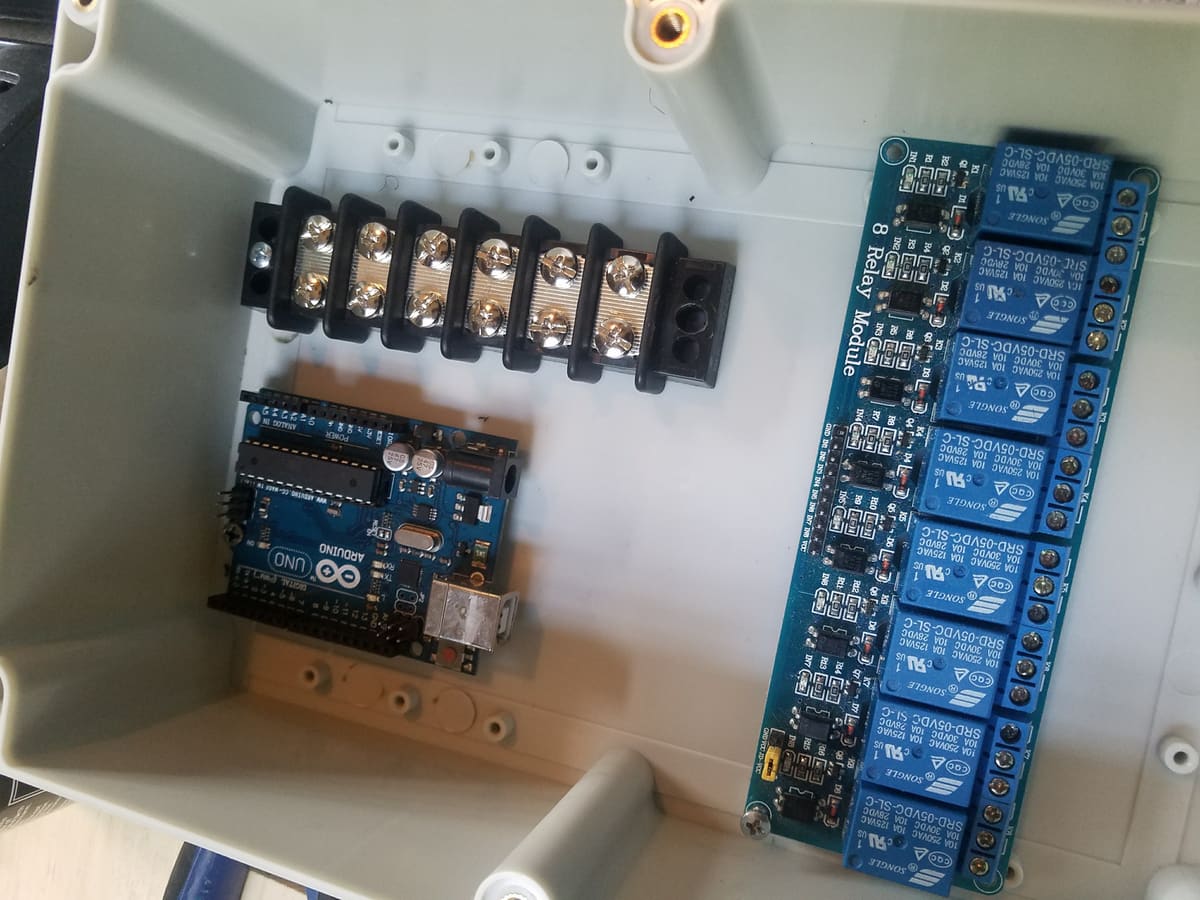
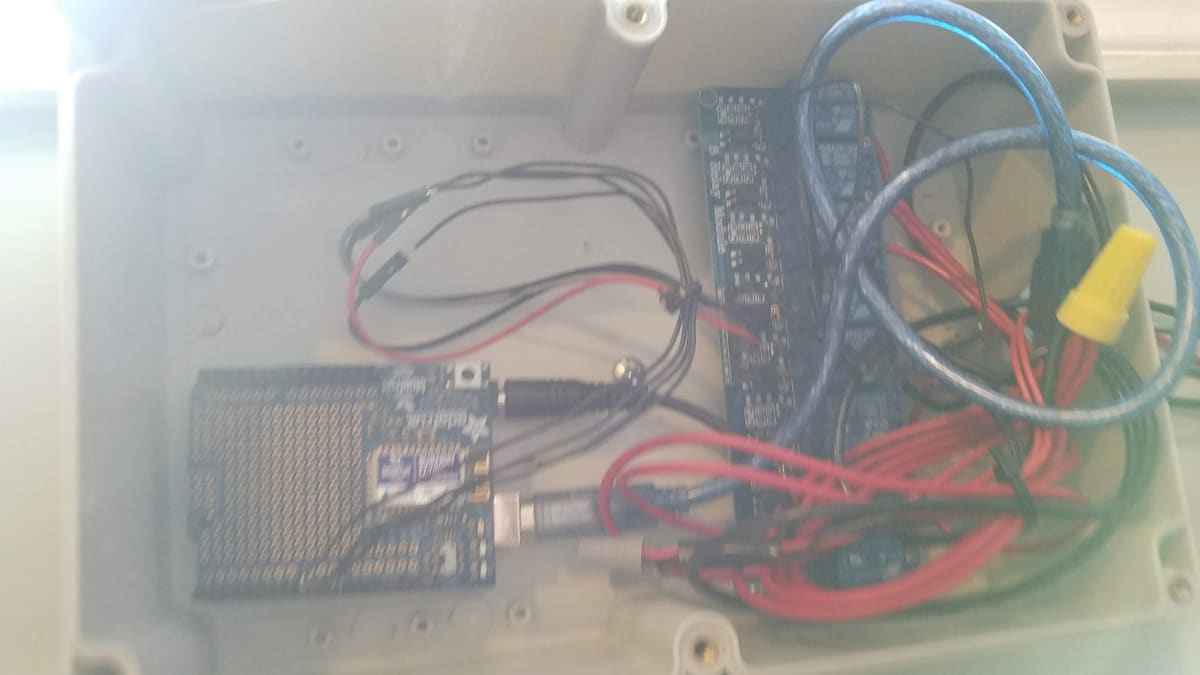
Photos in the gallery span the three growing seasons. The wiring detail shot is the actual relay panel that sat behind the controller — three relay banks driving lights, exhaust fan, supply fan, pumps, and humidifier. Sensor logs (pH, EC, ambient/leaf temperature, relative humidity, CO₂, soil moisture) survive in the project archive.
R&D archive
Ten frames across three growing seasons.
Build photos, sensor logs, and controls documentation across three growing seasons.
Technical Research
1 item
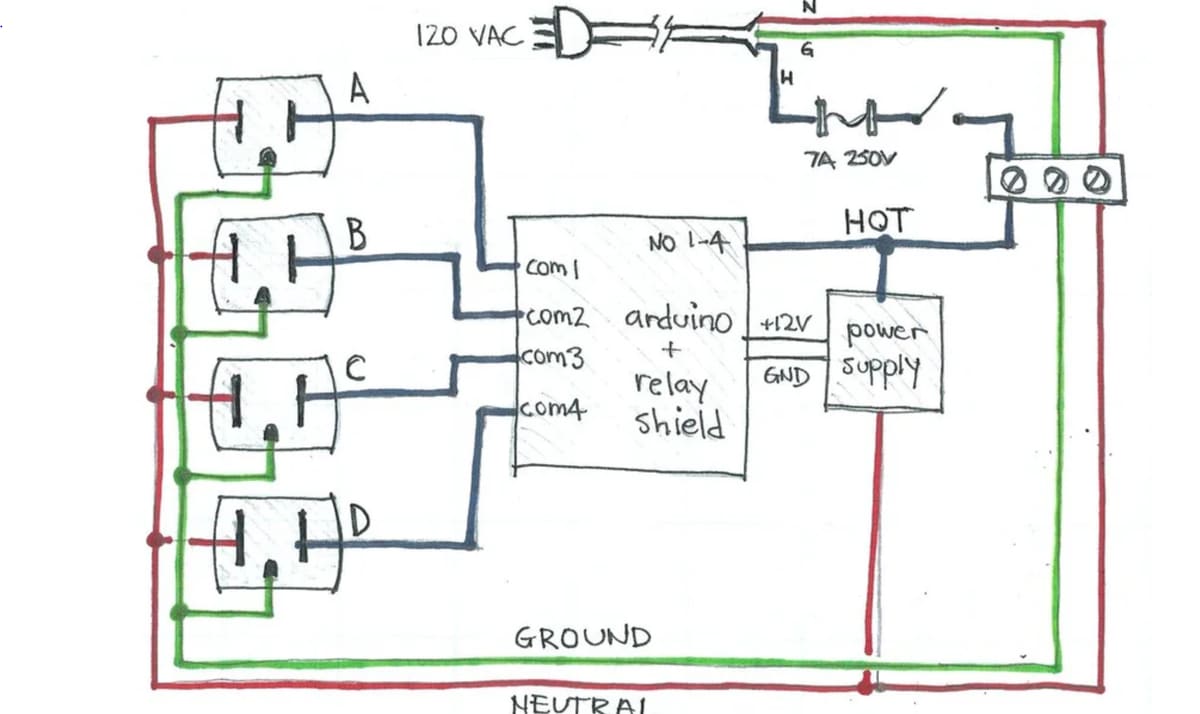
Schematics, control-flow diagrams, and the working notes that turned the concept into something buildable.
Build Artifacts
9 items
Photos from the bench, the shop, the test rig, and the running system. The R&D actually happened.
 Original/ 01
Tent build — May 2018
Initial mechanical envelope — sealed grow chamber with internal sensor mesh.
 Original/ 02
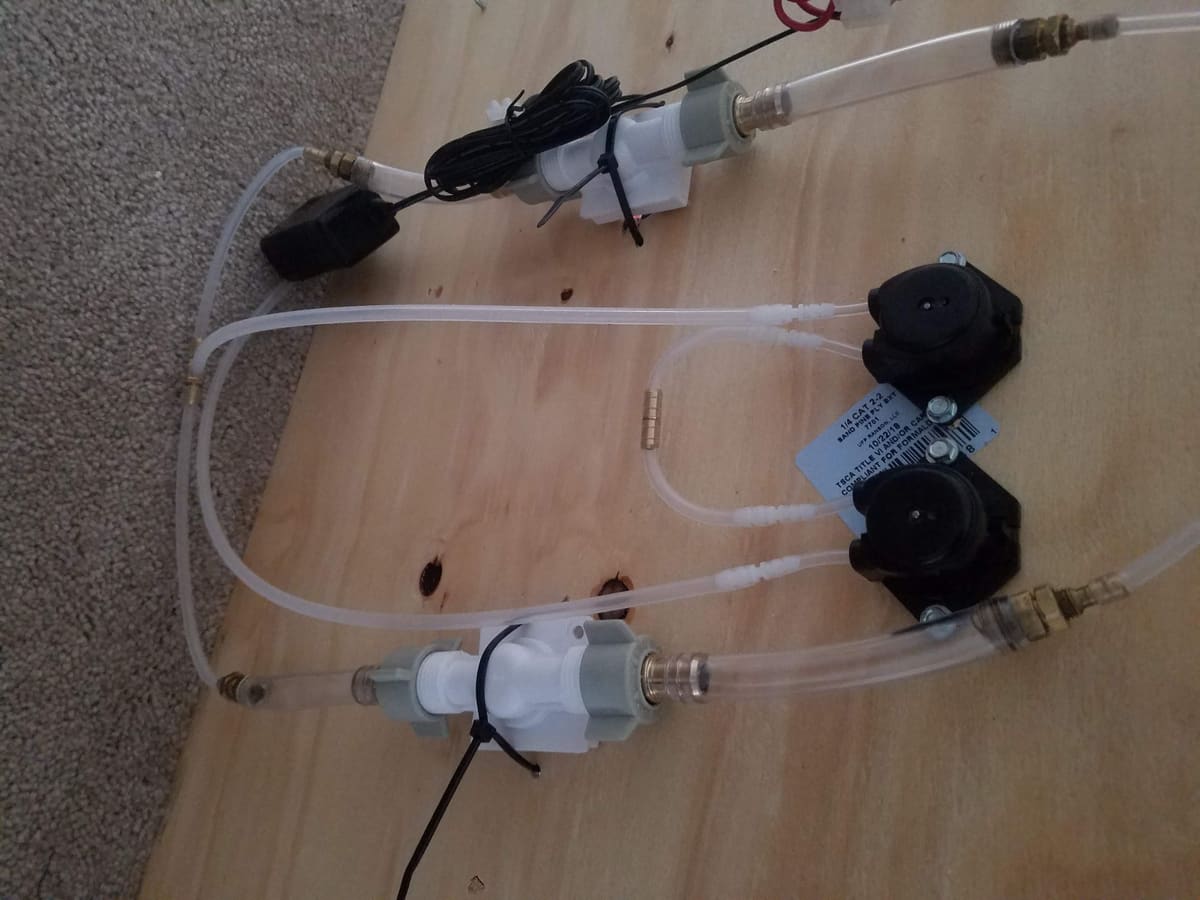
Sensor mesh checkout — February 2019
Three probes installed: pH, EC, ambient temperature. Validating the logging cadence before the first growing cycle.
 Original/ 03
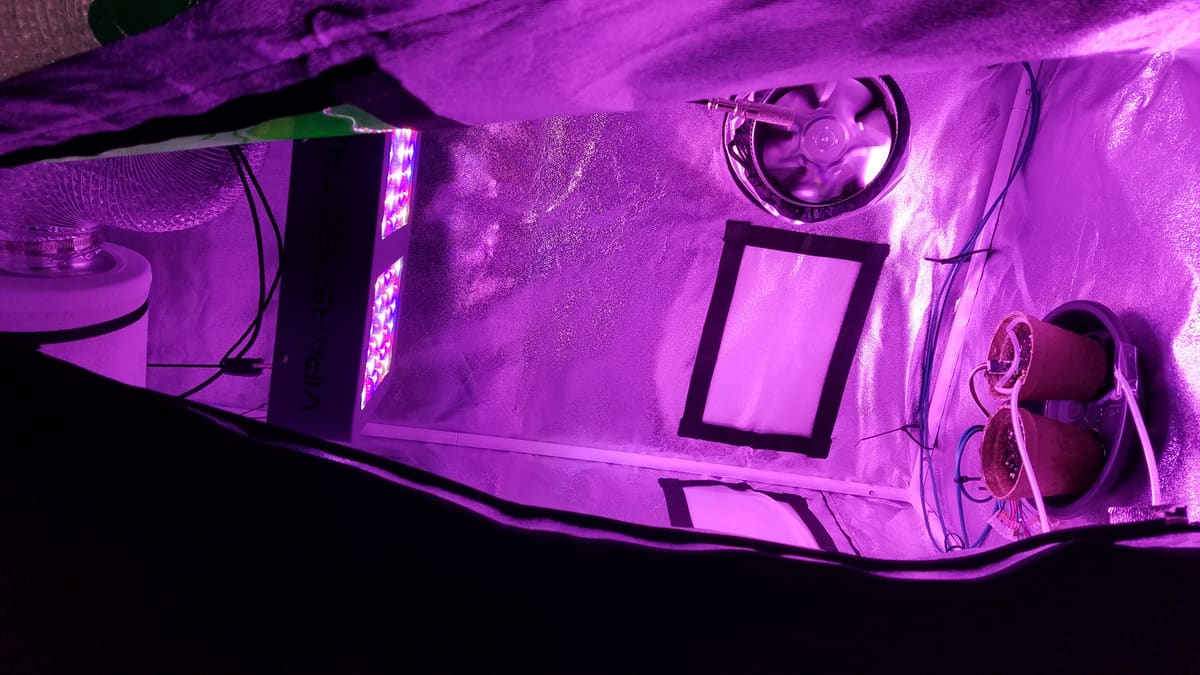
Mid-cycle, February 2019
First growing season — closed-loop control taking over from manual adjustments.
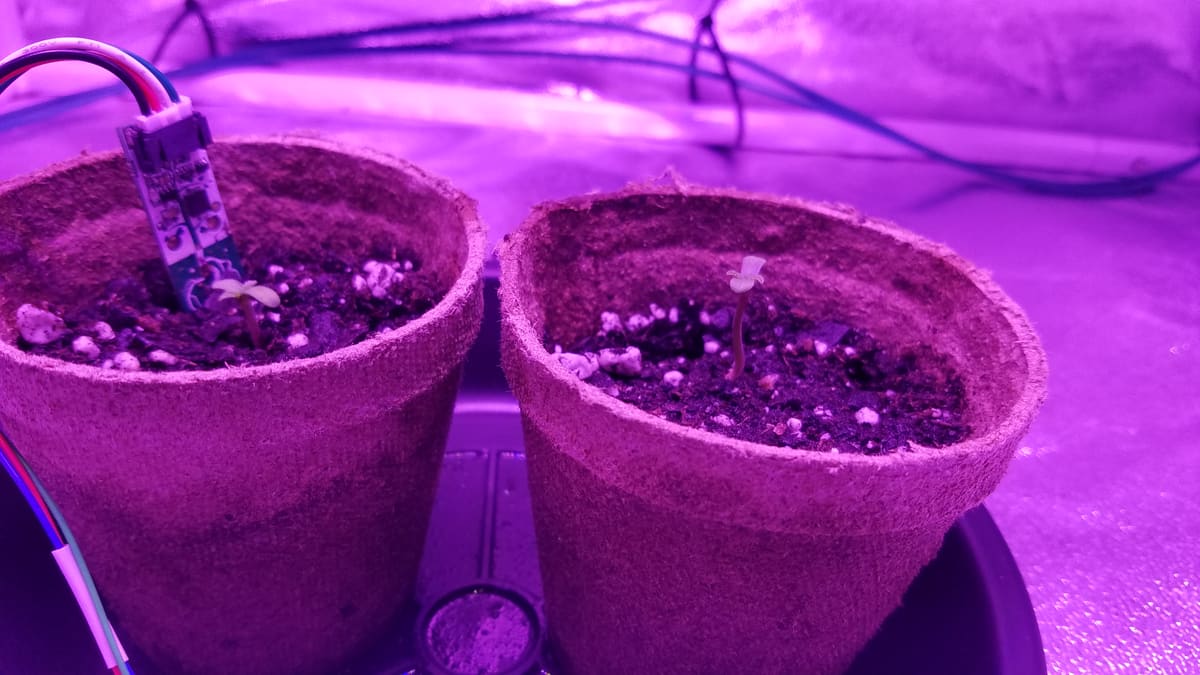
 Original/ 04
Vegetative phase, January 2020
Cycle two. Day length and light spectrum on the controller's photoperiod schedule.
 Original/ 05
Late-veg, January 2020
Same cycle, ten days later. Cabinet-relative humidity holding inside the set range without operator touches.
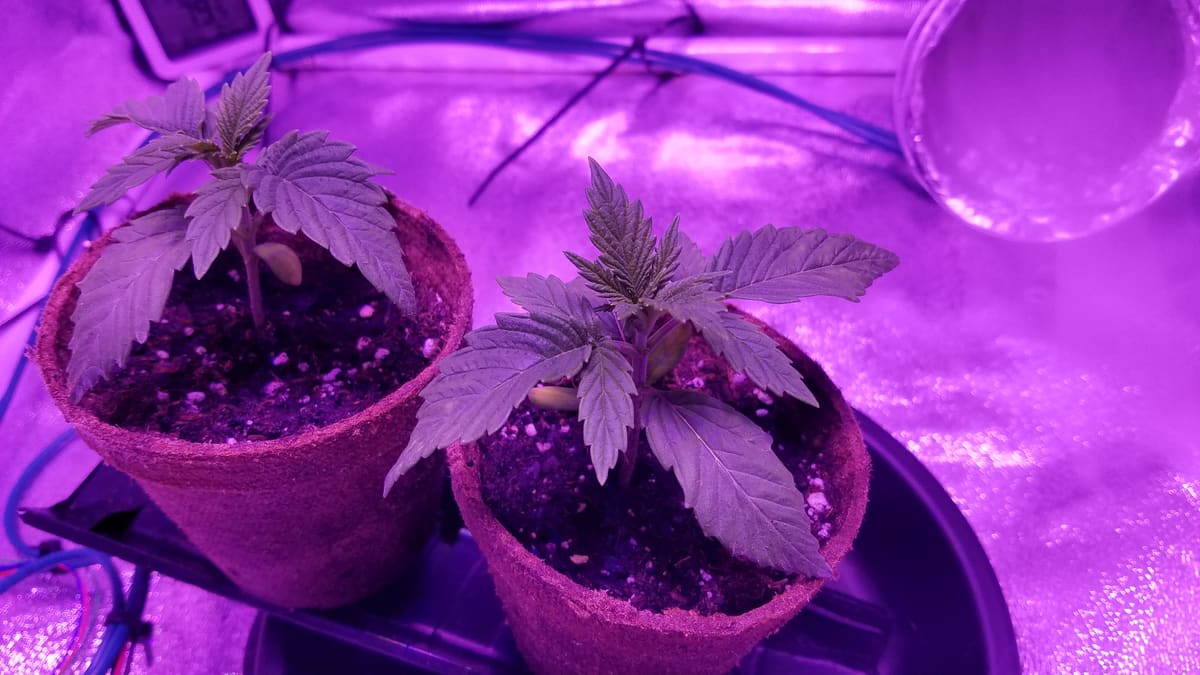 Original/ 06
Flowering, January 2020
Photoperiod transition — controller shifts the day length down without the operator opening the tent.
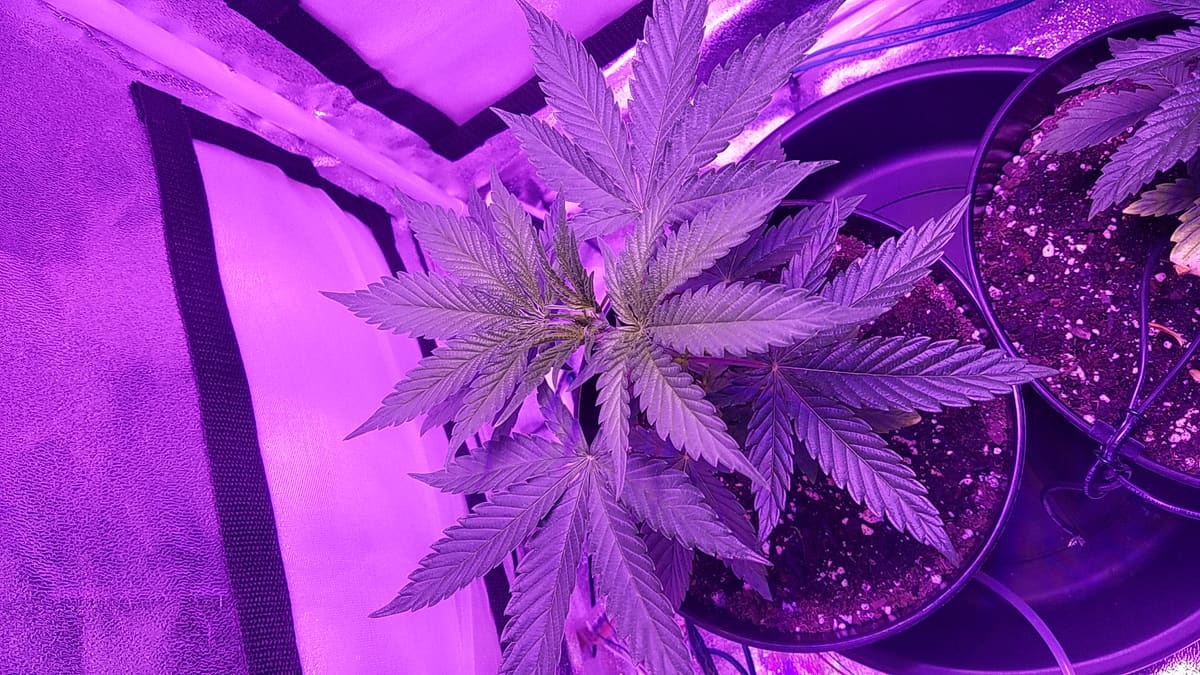 Original/ 07
Mid-flower, February 2020
EC and pH probes ran on a 5-min logging cadence; visible drift handled by the irrigation controller.
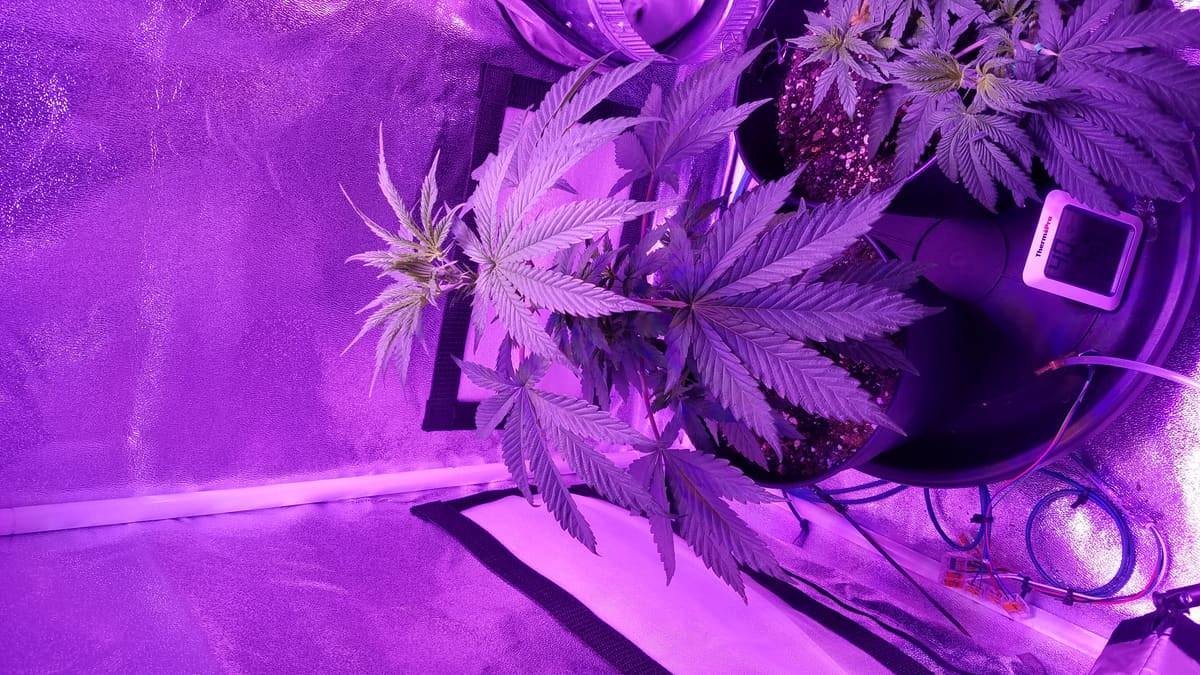 Original/ 08
Late season, March 2020
Cycle two near harvest — the operator's job has compressed to filling the nutrient reservoir and emptying the drain.
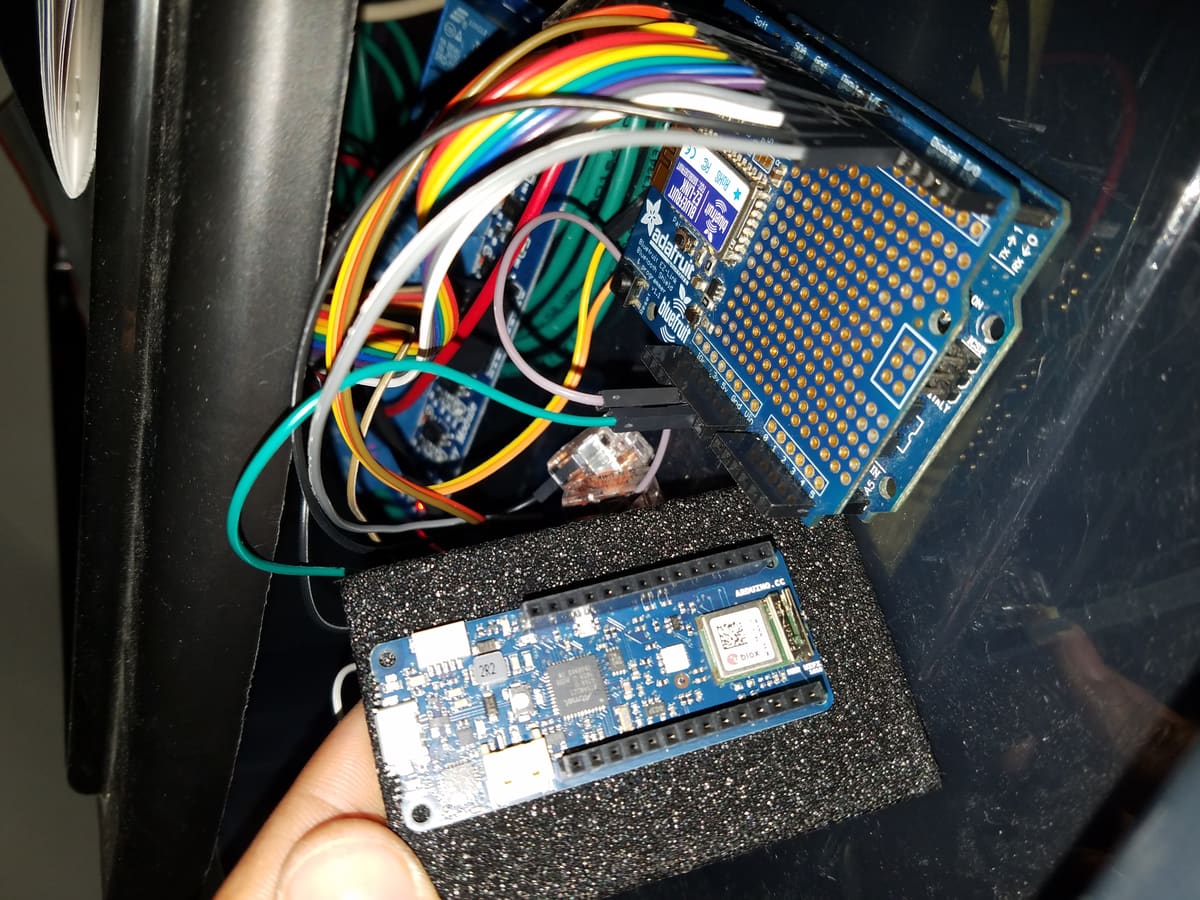 Original/ 10
Live build photo, February 2020
What the system looked like running — sealed pod, tablet on the side panel, controller live.
Outcome
Paused, IP retained.
I paused Project Aurora to refocus on engineering and AI consulting. The sensor stack, control firmware, and mechanical envelope are my IP — retained and available. The techniques translate cleanly to other closed-loop environmental-control problems: fermentation, hydroponic produce, controlled-environment agriculture, micropropagation, lab-scale chambers.